Containers
Container herb setups
Containers suit Canadian growing because they let you control soil, move tender herbs indoors before frost, and keep aggressive spreaders contained. Most of the difference between herbs that survive and herbs that thrive comes down to pot depth, drainage, and grouping plants by their needs.
Pot depth and drainage
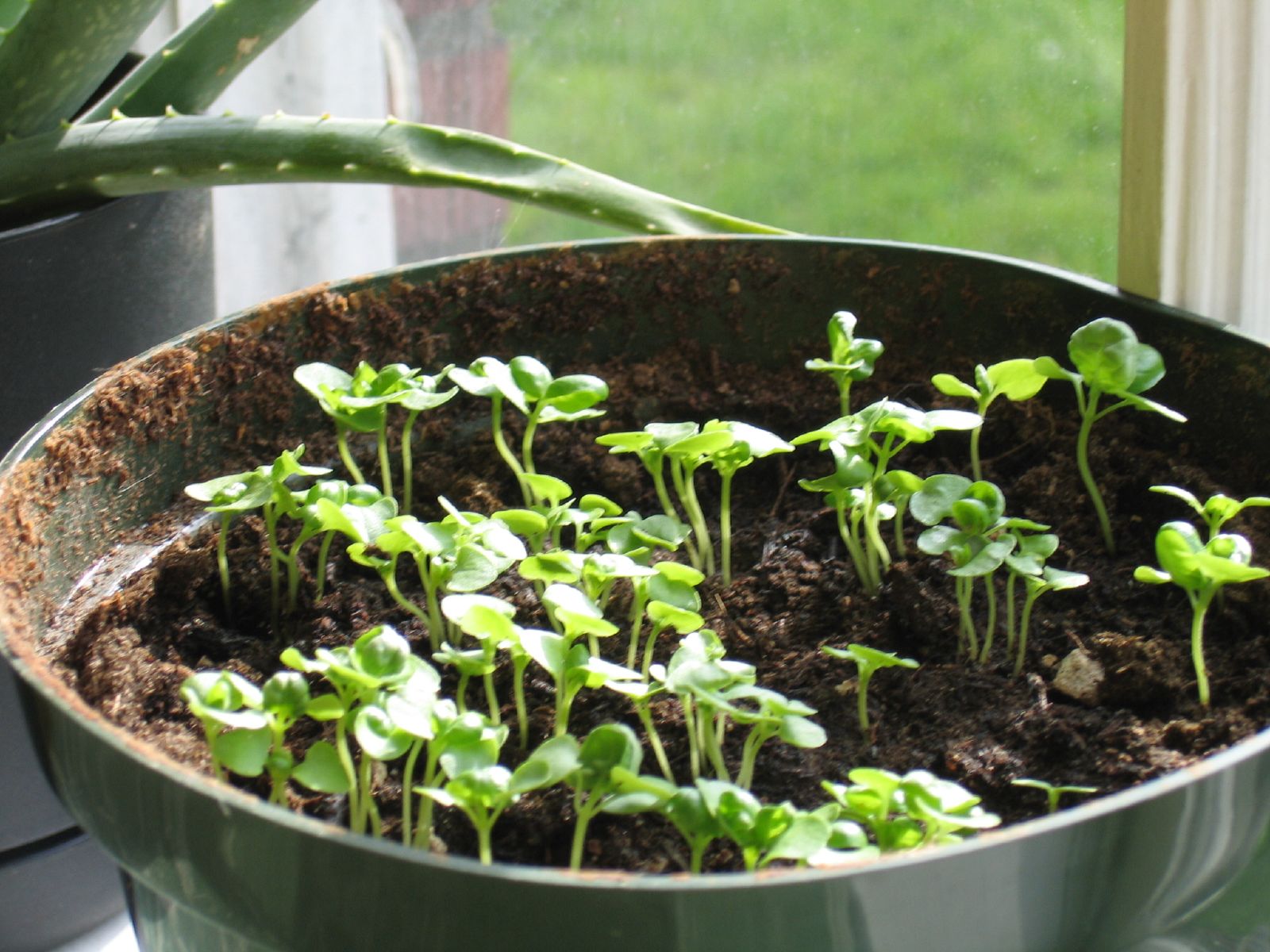
Root room and drainage are the two things containers most often get wrong. As a general guide, most culinary herbs want a pot at least 25–30 cm (10–12 in) deep with open drainage holes, so roots have room to expand and excess water can escape. Larger pots also buffer moisture between waterings and stay upright under tall herbs like rosemary.
Drainage first. A container without drainage holes traps water at the roots and is the most common cause of failed herb pots, especially for Mediterranean herbs that dislike wet feet.
Group herbs by need, not by recipe
The same grouping logic that governs garden beds applies in pots. Put plants with matching water and light needs in the same container, and isolate the spreaders.
| Container theme | Plant together | Care |
|---|---|---|
| Drought-tolerant pot | Rosemary, thyme, sage, oregano | Full sun; let the top of the soil dry between waterings. |
| Moisture pot | Basil, parsley, chives | Keep evenly moist; check soil a couple of centimetres down. |
| Solo pot | Mint or lemon balm | Grow alone to stop runners overtaking neighbours. |
Overwintering choices
Container soil freezes faster than ground soil, so even fairly hardy perennial herbs are more exposed in pots through a cold Canadian winter. Common approaches:
- Bring tender herbs indoors — basil and rosemary are usually treated as annuals outdoors and overwinter better on a bright sill.
- Use larger pots for perennials — bigger volumes of soil insulate roots better if a container herb is left outside.
- Refresh the soil — scratch in compost each spring and replace the potting mix entirely every few years.
Preserving the surplus
A productive herb pot usually outpaces the kitchen by late summer. Preserving before the first hard autumn frost keeps that surplus useful through winter. Simple, widely used methods:
- Air-drying — tie small bunches and hang them somewhere dry and airy; well suited to sturdy herbs such as thyme, oregano, sage, and rosemary.
- Freezing — chop soft herbs like basil, parsley, and chives and freeze them, often in a little water or oil in ice-cube trays.
- Infusing — steep clean herbs in oil or vinegar; keep refrigerated and use within a reasonable window.
Harvesting in the morning and pruning just above a leaf node keeps plants producing longer and gives the best material to preserve.